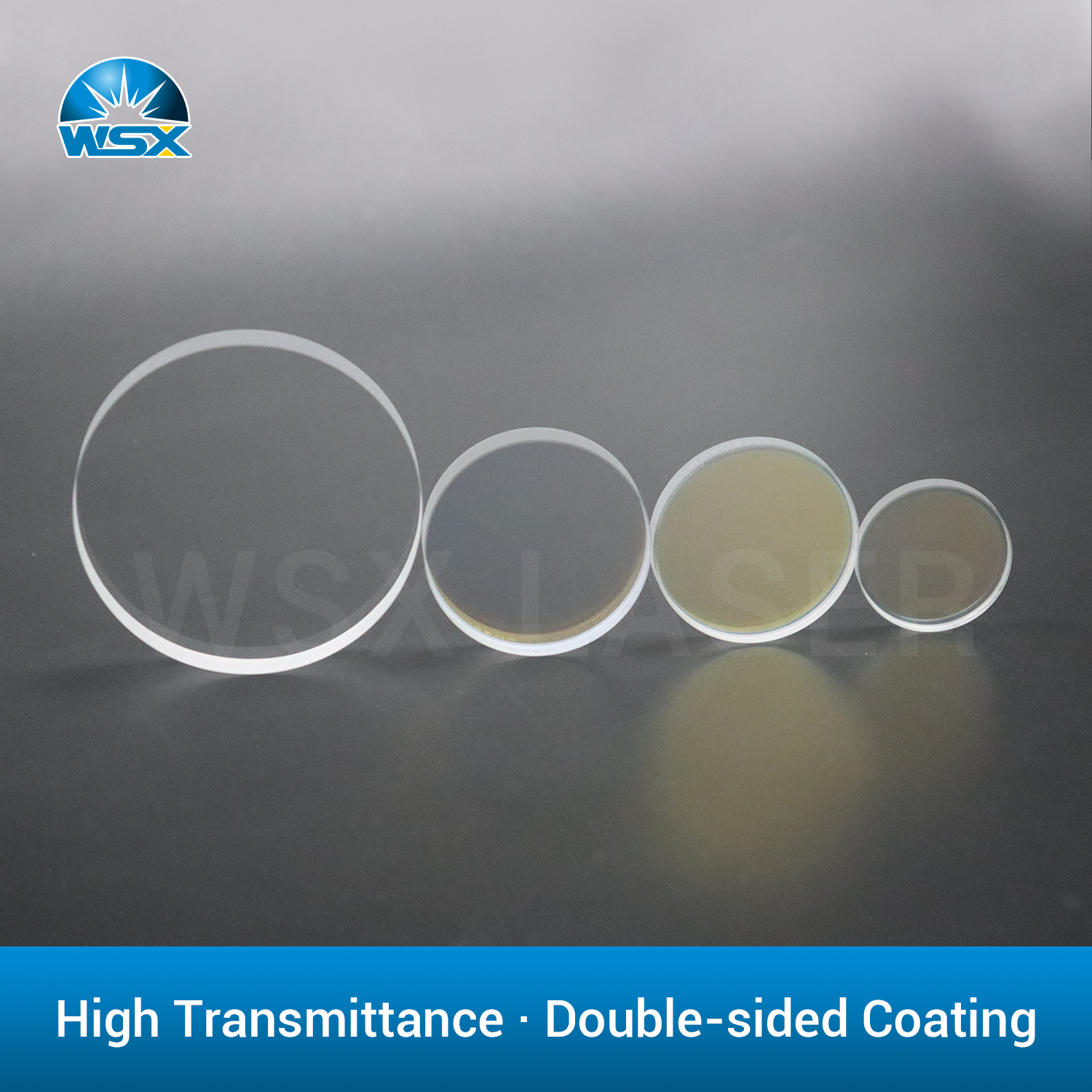
Many operators mistakenly treat the protective window as a cheap, basic consumable item. You should actually view it as the critical sacrificial barrier in your system. It actively protects a $5,000+ laser head assembly from high-velocity spatter, molten debris, and catastrophic failure. In daily operational reality, frequent lens blowouts plague countless fabrication shops around the world. We constantly see how thermal lensing directly causes excessive machine downtime and poor cut quality. These sudden optical failures disrupt your entire production schedule and waste highly valuable raw materials. You can easily avoid these frustrating halts by rethinking your optical components entirely. You must invest in a properly specified Durable Protective Lens to keep operations running smoothly. We will explore how choosing the right lens stabilizes production and fully secures your expensive hardware.
Key Takeaways
Protective lenses safeguard expensive collimating and focusing optics from cutting debris; their failure can permanently damage the laser head.
Material matters: Fused silica (quartz) is mandatory for lasers over 1kW due to superior thermal stability, while K9 glass is only suitable for low-power applications.
Burn marks and lens pitting are typically caused by improper assist gas pressure, incorrect parameters, or microscopic dust during installation.
Partnering with a vetted laser heads components supplier ensures batch-to-batch consistency in anti-reflective (AR) coatings and light transmittance (>99.9%).
The Business Cost of Substandard Protective Lenses
A failed lens triggers a massive domino effect across your entire fabrication floor. We often see cheap lenses fail catastrophically under continuous high kilowatt loads. Thermal lensing occurs quickly when poor-quality lenses absorb too much laser energy. They heat up rapidly during a thick plate cut. This excess heat causes the glass substrate to expand and shift the focal point upwards. Your laser beam loses its concentrated power at the material surface. The Rayleigh length changes unexpectedly during operation. You immediately experience heavy bottom dross and incomplete cuts. Operators end up scrapping expensive metal sheets due to poor edge quality.
Catastrophic blowouts present an even greater danger to your equipment. A shattered lens allows raw molten debris to shoot up into the internal optics. It compromises both the delicate focusing and collimating lenses positioned above it. A cheap replacement suddenly turns into a massive hardware repair bill. You might spend thousands of dollars replacing complex internal modules. We must also calculate the extensive hidden cost of machine downtime. Stopping production to replace cheap lenses multiple times a shift drains your shop's profitability. You lose valuable continuous cutting hours every single week.
A durable alternative keeps the machine running continuously without constant monitoring. Production stays strictly on track to meet tight deadlines. You effectively eliminate the cascading failures associated with low-grade optics. Consider the primary ways bad lenses drain your resources:
Direct hardware replacement costs for damaged focusing modules
Scrapped raw materials due to lost cut parameters
Lost labor hours during extensive troubleshooting sessions
Missed delivery deadlines leading to dissatisfied clients
What Defines a Truly Durable Protective Lens?
You must understand the specific technical dimensions that define high-grade optics. Manufacturers engineer these components specifically for high-power fiber laser applications. We evaluate protective windows across three distinct engineering categories.
Substrate Material (Fused Silica vs. K9 Glass)
K9 glass presents severe limitations in modern heavy-duty metal fabrication. It has extremely high thermal expansion and a noticeably low damage threshold. We never recommend K9 glass for any high-power industrial applications. It deforms quickly under the intense heat of a continuous wave beam. Imported fused silica acts as the definitive industry standard today. You absolutely need this specific substrate for any multi-kilowatt output. Fused silica handles extreme temperatures without warping or cracking. It maintains a perfectly stable focal point during incredibly long cutting cycles.
Specification Dimension
K9 Glass Characteristics
Fused Silica (Quartz) Characteristics
Power Application Suitability
Strictly under 1kW systems
Reliable for 1kW to 30kW+ systems
Thermal Expansion Coefficient
High (Prone to shifting focus)
Very Low (Maintains strict focus)
Optical Damage Threshold
Low (Scratches and pits easily)
Extremely High (Resists laser damage)
Deformation Risk Under Load
Severe risk during long cuts
Minimal risk under continuous duty
Anti-Reflective (AR) Coatings & Transmittance
Dual-sided AR coatings ensure maximum energy delivery to the workpiece. They easily achieve greater than 99.9% light transmittance at the 1064nm wavelength. Your powerful laser beam passes through the lens with almost zero resistance. Engineers apply these specialized coatings using advanced physical vapor deposition methods. Poor coatings reflect substantial energy backward toward the source. This stray energy travels rapidly back into the sensitive laser head. It overheats internal components and degrades the fiber cable connector. You will likely trigger sudden thermal alarms on your control system. High-quality AR coatings prevent these dangerous internal reflections entirely.
Dimensional Accuracy & Edge Chamfering
Precise physical thickness plays a huge role in optical performance. Accurate edge sealing prevents expensive assist gas leaks during operation. A properly engineered lens fits perfectly flush inside the brass lens drawer. Poorly cut edges allow high-pressure oxygen or nitrogen to escape into the atmosphere. You lose vital cutting pressure exactly at the nozzle tip. Proper edge chamfering also stops dangerous micro-cracks from forming during installation. It guarantees secure seating and optimal gas flow dynamics across the sheet.
Troubleshooting: Why Burn Marks and Holes Happen Frequently
Operators and field engineers face common failure complaints daily. We see burn marks ruin fresh lenses constantly in busy shops. Analyzing the root causes prevents future optical disasters.
Your assist gas sometimes fails to blow heavy spatter away properly. You might experience delayed gas activation during the piercing cycle. Insufficient dynamic pressure leaves the lens highly vulnerable to flying molten slag. Impure gas causes major long-term problems for your optical path too. Gas containing microscopic oil or water droplets coats the lens surface instantly. The multi-kilowatt laser beam instantly burns these wet impurities into the glass. You must drain your air compressors regularly to prevent this contamination.
Human error ruins many lenses before they ever see a laser beam. A single microscopic dust particle causes immediate failure upon activation. A tiny fingerprint left during careless installation acts as a massive energy absorber. It will instantly burn under a multi-kilowatt focused beam. You create a permanent black pit on the lens almost immediately. We urge operators to wear proper finger cots or nitrile gloves during any maintenance.
Incorrect pierce heights cause severe molten splashback. Overly aggressive piercing parameters blast molten metal violently upwards. A massive volume of hot slag splashes back toward the delicate head. The protective window simply cannot withstand a direct hit from large slag clusters. You must adjust your step-piercing routine to protect the internal optics. Proper programming keeps the lens clean for weeks at a time.
Standard Operating Procedures for Lens Maintenance
We advocate implementing actionable, evidence-based steps to extend your lens life. Proper daily habits save thousands of dollars annually in replacement parts.
Inspection and Cleaning Protocols
We strongly recommend developing strict daily cleaning habits. You should use absolute alcohol or a specialized optical lens cleaner. Always pair your cleaning fluids with lint-free cleanroom optical wipes. Never use standard paper towels or dirty shop rags. We advise using the proven "single swipe" cleaning method. You drag the damp wipe across the lens exactly once. You then discard that contaminated wipe immediately. This specific technique prevents you from scratching the delicate AR coating. Rubbing vigorously back and forth grinds microscopic silica dust into the glass.
Inspect the removed lens closely under a bright LED inspection light.
Apply exactly two drops of absolute alcohol to a fresh optical wipe.
Drag the wipe slowly across the glass surface in one fluid direction.
Discard the used wipe into a designated cleanroom bin immediately.
Verify the glass surface remains completely free of streaks or haze.
Replacement Triggers
You need objective, hard criteria to decide when to discard a lens entirely. Visible pitting that you cannot wipe away requires immediate disposal. Sudden unexplained focal shifts also indicate severe internal thermal damage. Do not attempt to aggressively clean a deeply burnt lens. You must replace components only in a completely dust-free environment. We highly recommend using a sealed cleanroom setup or a laminar flow hood if possible. Exposing an open lens drawer to ambient shop dust guarantees rapid failure.
Evaluating a Laser Heads Components Supplier
You must navigate the complex industrial market to source components reliably at scale. Carefully evaluating your supply chain prevents costly production standstills.
Rigorous quality control remains strictly non-negotiable for bulk factory orders. You need a highly trusted laser heads components supplier to ensure absolute uniformity across shipments. They must test every single batch for coating uniformity and defect-free substrates. You cannot afford a bad batch of lenses bringing down your entire production line. Consistent optical density keeps your cutting parameters stable year-round.
Your chosen supplier must provide exact OEM-spec physical dimensions. The replacement lenses must fit major laser head brands absolutely perfectly. We expect precise drop-in fits for Precitec, Raytools, Bodor, and WSX systems. A slight micrometer size mismatch causes massive high-pressure gas leaks. Tight machining tolerances keep the lens drawer completely sealed against environmental shop dust.
A truly great supplier offers extensive parameter guidance and complex failure analysis. They do not just treat the optical lens as a cheap transactional commodity. They actively help you troubleshoot chronic burning issues in your shop. They guide you toward the correct substrate thickness for your specific kilowatt range. We heavily value partners who analyze failed lenses to improve our machine parameters.
Conclusion
Treat your protective window as an essential insurance policy for your entire cutting system. It acts as the ultimate barrier between your high-value optics and raw manufacturing destruction. Taking proactive steps to improve your optical components guarantees higher operational uptime.
Evaluate your current replacement frequencies carefully to identify hidden waste.
Upgrade directly to higher-grade fused silica if your daily failure rates remain unacceptably high.
Audit your current optical setup and gas purity standards immediately to establish a baseline.
Implement strict "single swipe" cleaning protocols using only absolute alcohol and optical wipes.
Request a sample batch from a specialized component partner to verify material quality firsthand.
FAQ
Q: What is the average lifespan of a protective lens in a fiber laser?
A: The lifespan varies highly based on power output, material thickness, and pierce parameters. It ranges from a few days in heavy-duty piercing applications to several weeks in optimized, clean cutting environments. Proper cleaning habits and pure assist gas extend this duration significantly.
Q: What is the difference between the collimating protective window and the lower protective lens?
A: The upper collimating window seals the fiber connector from environmental dust. The lower protective lens shields the internal focusing optics from hot cutting spatter. Because it sits much closer to the active cutting zone, the lower lens requires far more frequent inspection and replacement.
Q: Can a burned protective lens be repaired or repolished?
A: No. Once the anti-reflective coating burns or the substrate becomes pitted, the optical integrity is permanently compromised. Attempting to reuse or polish it risks catastrophic thermal damage to the entire laser head. You must discard damaged lenses immediately.