The Role of Precision Laser Welding in Automotive Manufacturing
Automotive manufacturing is a complex, highly technical field, where precision, reliability, and cost-effectiveness are essential for producing high-quality vehicles. As the automotive industry evolves, manufacturers seek innovative ways to enhance their production processes. One of the most advanced technologies driving this transformation is precision laser welding.
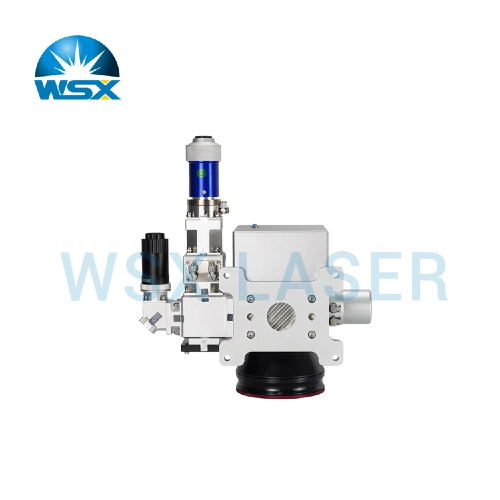
Laser welding heads, specifically designed for high-precision tasks, have become indispensable in the automotive industry. Their ability to weld materials with unparalleled accuracy and minimal heat impact has enabled manufacturers to meet the increasing demand for high-performance, lightweight, and durable components.
In this article, we explore how precision laser welding heads are elevating the automotive manufacturing process, providing solutions for challenges faced by manufacturers, and outlining the numerous advantages of adopting this technology.
What Makes Precision Laser Welding Heads Different?
Technology Behind Laser Welding Heads
Precision laser welding heads work by using a focused laser beam to melt and fuse materials. This method is highly effective for welding small, intricate parts that require consistent, repeatable results.
Laser welding heads offer several technological advantages over traditional welding methods:
Fine Focus Control: The laser beam can be focused to a very fine point, allowing for precise welds on small components and minimizing the heat impact on surrounding materials.
High-Speed Operation: Laser welding operates at a much faster pace compared to traditional methods, making it ideal for high-volume automotive manufacturing.
Low Heat Input: Unlike conventional welding, which may require high heat to penetrate thick materials, laser welding minimizes the heat-affected zone (HAZ), preventing potential damage to delicate parts.
Key Features of Precision Laser Welding Heads
Some of the critical features that differentiate precision laser welding heads include:
Compact Design: Laser welding heads are compact and versatile, ideal for integration into automated assembly lines where space is often limited.
Minimal Heat-Affected Zone (HAZ): One of the standout features of laser welding is its ability to control heat input precisely. This minimizes distortion and maintains the structural integrity of sensitive automotive components.
Material Compatibility: These welding heads are compatible with a wide range of materials, including high-strength steels, aluminum alloys, and even lightweight composite materials used in modern vehicles.
Material Compatibility
In automotive manufacturing, a wide variety of materials are used, including metals, alloys, and composites. Precision laser welding heads offer great versatility, allowing manufacturers to weld dissimilar materials, such as high-strength steel to aluminum, which is often required in modern automotive designs.
This ability to work with different materials makes precision laser welding a preferred choice in the automotive industry, where manufacturers are increasingly focusing on lightweight and strong materials to improve vehicle efficiency and performance.
Advantages of Precision Laser Welding in Automotive Manufacturing
Enhanced Weld Quality
Precision laser welding heads provide exceptional weld quality, which is crucial for ensuring the safety and durability of automotive components. Traditional welding methods, such as MIG or TIG welding, often result in larger heat-affected zones and potential warping of parts. In contrast, laser welding offers:
Cleaner Welds: The precision of the laser beam ensures that the welds are smooth and clean, minimizing the need for post-weld finishing.
Stronger Welds: Laser welding produces strong, high-quality welds that are less prone to failure under stress or extreme conditions.
Minimal Spatter: Unlike other welding methods, laser welding produces minimal spatter, making it cleaner and reducing the need for additional cleaning and finishing steps.
Table 1: Comparison of Weld Quality in Different Welding Methods
Welding Method | Weld Strength | Heat Affected Zone (HAZ) | Cleanliness | Spatter |
Traditional Welding | Moderate | Large | Less Clean | High |
Precision Laser Welding | High | Minimal | Highly Clean | Low |
As shown in Table 1, precision laser welding provides superior weld strength, a minimal heat-affected zone, and reduced spatter, making it a more reliable choice for automotive manufacturing.
Minimized Heat-Affected Zone (HAZ)
One of the most significant advantages of precision laser welding heads is the ability to minimize the heat-affected zone (HAZ). In automotive manufacturing, the integrity of sensitive components is critical. Excessive heat can weaken surrounding materials, leading to potential failures.
Laser welding limits the heat exposure to the smallest area possible, ensuring that the surrounding materials remain unaffected. This is particularly important when welding high-strength steel or aluminum alloys, which are sensitive to heat.
Table 2: Heat-Affected Zone (HAZ) Comparison
Welding Method | HAZ Size | Risk of Material Distortion |
Traditional Welding | Large | High |
Precision Laser Welding | Small | Low |
As shown in Table 2, precision laser welding significantly reduces the size of the heat-affected zone, preserving the strength and integrity of surrounding materials, making it ideal for automotive parts that require precision and durability.
Improved Aesthetic and Surface Quality
In automotive manufacturing, visual appearance and surface quality are important factors in the overall quality of the vehicle. Precision laser welding heads produce welds with a smooth surface, reducing the need for additional finishing processes. The ability to create clean, precise welds without excessive heat or spatter results in a polished, professional appearance for automotive parts.
This is especially important for visible components such as body panels, frame joints, and even interior elements, where appearance plays a crucial role in consumer satisfaction.
Increased Efficiency and Speed
The high-speed capabilities of precision laser welding heads enable faster production times, improving overall efficiency. Automotive manufacturers operate in high-volume production environments, and reducing cycle times is critical to maintaining competitiveness.
Laser welding heads can be integrated into automated systems, further enhancing the speed of the welding process. The automation of the welding process also reduces the chances of human error, ensuring consistency across production runs.
Table 3: Welding Speed and Efficiency Comparison
Welding Method | Welding Speed | Production Efficiency | Automation Potential |
Traditional Welding | Moderate | Lower | Low |
Precision Laser Welding | High | High | High |
In Table 3, it's clear that precision laser welding offers faster welding speeds, higher production efficiency, and better integration with automated systems compared to traditional welding methods.
Flexibility and Adaptability
Modern vehicles are composed of a wide variety of materials and require a diverse range of welding techniques. Precision laser welding heads are highly flexible, able to weld materials ranging from thin sheet metal to thicker components, and can even handle complex geometries.
This adaptability is essential in automotive manufacturing, where the design and materials used in different components vary significantly. Laser welding heads can be configured to meet the unique requirements of each part, whether it's a lightweight frame component or a delicate battery cell.
![Precision Laser Welding Head]()
Key Applications in Automotive Manufacturing
Chassis and Body Assembly
Precision laser welding is widely used in chassis and body assembly, where strong, durable welds are essential. Laser welding heads are particularly effective for joining thin sheet metal and complex body parts, ensuring that the vehicle's structural integrity is maintained.
Battery Manufacturing
In the production of electric vehicles (EVs), precision laser welding plays a critical role in assembling battery packs. Laser welding heads allow for the precise joining of battery cells, ensuring safety and performance standards are met. The minimal heat input prevents damage to sensitive battery components, ensuring longevity and efficiency.
Engine and Powertrain Components
The engine and powertrain are the heart of any vehicle, and precision welding is crucial for ensuring their performance. Precision laser welding heads are used to join engine parts and powertrain components, where durability and strength are vital.
Interior Components
Laser welding also plays a role in manufacturing automotive interior components such as seat frames, dashboards, and air conditioning ducts. These components often require precise welds in small, intricate designs, and laser welding heads provide the necessary accuracy.
Economic and Environmental Benefits of Precision Laser Welding in Automotive Manufacturing
Cost Reduction
Precision laser welding offers several economic benefits, primarily through cost savings in material, labor, and time. The high-speed nature of laser welding reduces production time, while its precision reduces material waste and rework.
Additionally, the automation of the welding process cuts down on labor costs, allowing manufacturers to produce more units at a lower overall cost.
Energy Efficiency
Laser welding is more energy-efficient than traditional welding methods, as it requires less power to achieve the same results. This reduced energy consumption can lead to significant cost savings in large-scale manufacturing environments.
Environmental Impact
By reducing material waste and energy consumption, precision laser welding heads contribute to more environmentally sustainable manufacturing practices. The clean nature of the process also reduces harmful emissions that are typically associated with traditional welding methods.
Overcoming Challenges in Automotive Manufacturing with Precision Laser Welding
Complexity of Automotive Materials
Modern automotive materials such as high-strength steels, aluminum alloys, and composites can be challenging to weld. Precision laser welding heads overcome these challenges by providing the necessary control over heat input and weld size, ensuring high-quality results across a variety of materials.
Automation and Integration
Automotive manufacturing often relies on highly automated production lines. Precision laser welding heads integrate seamlessly into these systems, improving consistency and reducing the risk of human error.
The Future of Precision Laser Welding in Automotive Manufacturing
Technological Advancements
As technology continues to evolve, we can expect further improvements in precision laser welding. Advancements in automation, multi-beam systems, and software integration will continue to enhance the capabilities of laser welding heads.
Impact of Electric Vehicles (EVs)
With the rise of electric vehicles, the demand for precision laser welding in battery production and lightweight vehicle structures is expected to grow. Laser welding heads will play a pivotal role in meeting these demands by providing precise and efficient solutions.
Conclusion
Precision laser welding heads have transformed the automotive manufacturing process, delivering key advantages in weld quality, speed, and adaptability. By minimizing heat impact and enhancing precision, these advanced welding heads help manufacturers produce stronger, lighter, and more durable automotive components. This leads to improved product reliability and overall production efficiency.
For automotive manufacturers aiming to remain competitive in a rapidly evolving industry, investing in precision laser welding technology is essential. It not only boosts operational efficiency but also reduces costs while ensuring superior product quality. At Shenzhen Worthing Technology Co., Ltd., we specialize in providing high-performance precision laser welding solutions that cater to the unique needs of automotive manufacturers. Our state-of-the-art welding heads are designed to meet the highest standards of quality and efficiency, ensuring your production process is optimized for the future.
If you're looking to enhance your manufacturing capabilities, we invite you to contact us for more information. Let us help you take your automotive production to the next level with our innovative laser welding technology.
FAQs
What is the primary benefit of using precision laser welding heads in automotive manufacturing?
The primary benefit is the ability to produce cleaner, more durable welds with minimal heat impact, improving the overall quality and efficiency of automotive assembly.
Can precision laser welding heads be used on all automotive materials?
Yes, precision laser welding heads are compatible with a wide range of automotive materials, including steel, aluminum alloys, and other lightweight metals used in car bodies and components.
How does precision laser welding improve the aesthetic quality of automotive parts?
The precision of laser welding results in smooth, clean welds with minimal heat distortion, which reduces the need for additional finishing work and enhances the visual appeal of automotive parts.
Is precision laser welding more cost-effective than traditional welding methods?
Yes, it is more cost-effective in the long run as it reduces material waste, minimizes rework, and speeds up production, leading to cost savings in automotive manufacturing.
How does precision laser welding contribute to the production of electric vehicles (EVs)?
Precision laser welding plays a crucial role in the production of EVs, particularly in welding battery packs and lightweight materials, contributing to improved performance, safety, and energy efficiency.
What challenges does precision laser welding overcome in automotive manufacturing?
Precision laser welding addresses challenges like welding dissimilar materials, minimizing heat-affected zones, and providing consistent, high-quality welds in complex automotive parts.
Can precision laser welding be automated in automotive manufacturing?
Yes, precision laser welding is highly suitable for automation, allowing for faster and more consistent welds on production lines, improving throughput and reducing labor costs.
What is the future outlook for precision laser welding in automotive manufacturing?
The future of precision laser welding in automotive manufacturing looks promising, with technological advancements driving further automation, efficiency, and increased adoption in the production of EVs and lightweight vehicles.