Introduction
Fiber laser protective windows are essential for shielding your laser system’s sensitive optics, like the focusing lens, from contaminants and heat. But why do these protective lenses crack over time?
In this article, we will explore the causes of fiber laser protective window cracking and provide effective solutions to prevent damage, ensuring the longevity and performance of your laser system.
What is a Fiber Laser Protective Window?
Definition and Functionality
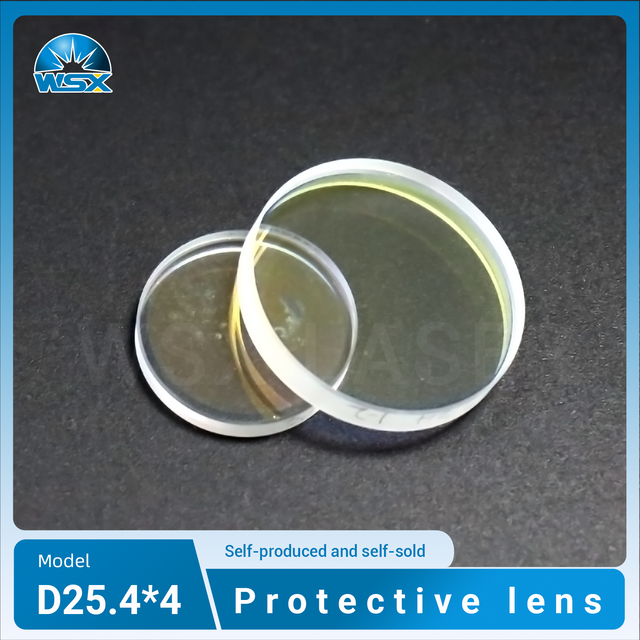
A fiber laser protective window is a clear optical barrier that serves as the first line of defense against harmful debris, high heat, and laser energy. Positioned at the front of the laser cutting system, it protects the expensive focusing lens and other critical parts from contamination, reducing the need for costly repairs and maintenance.
These windows help maintain the system's performance by preventing damage from laser-induced heat, which could otherwise degrade optical components and affect cutting quality.
Types of Protective Windows
There are various materials used for fiber laser protective windows, including:
● BK7 Glass: Known for its optical clarity and durability.
● Fused Quartz: Highly resistant to heat and thermal shock, making it suitable for high-power lasers.
● Borosilicate Glass: Offers resistance to thermal shock and mechanical stress.
Additionally, anti-reflective coatings are often applied to these windows to enhance their performance by reducing laser reflection and maximizing light transmission.
Common Causes of Cracks in Fiber Laser Protective Windows
Thermal Stress
Thermal stress is one of the most common causes of cracks in fiber laser protective windows. These windows are subjected to extreme temperatures during the cutting process, and rapid temperature fluctuations or direct exposure to high heat can cause the material to expand or contract unevenly. This puts stress on the glass, leading to potential cracking, especially if the window is exposed to moisture.
When the protective window comes into contact with water or moisture, the high temperature may cause a sudden expansion, resulting in cracks.
Physical Impact
Physical impacts, such as dust, debris, or mishandling, can also lead to cracks in the protective window. During laser operations, microscopic particles can accumulate on the window, and if these particles are not removed carefully, they can scratch or damage the surface, eventually leading to cracks.
Improper handling during installation or replacement is another factor. If the window is dropped or exposed to rough handling, it can suffer physical damage that compromises its integrity.
Improper Installation and Maintenance
Incorrect installation is a frequent cause of cracks in fiber laser protective windows. If the window is not aligned properly during installation, it may experience undue pressure or stress. This misalignment can result in fractures or cracks, especially when the window is subjected to heat or physical forces during operation.
Neglecting proper maintenance can also cause cracks. Over time, excessive dust and debris accumulation can lead to power absorption and reduce the protective window's effectiveness, contributing to material failure.
Poor Quality Materials
Using low-quality materials for fiber laser protective windows can significantly increase the likelihood of cracking. Cheap or inferior glass may not withstand the high heat and pressure from the laser, leading to premature failure. It's essential to select high-quality materials, such as fused silica or sapphire, for better durability and resistance to cracking.
Table: Common Causes of Cracks in Fiber Laser Protective Windows
Cause | Description | Solution |
Thermal Stress | Rapid temperature changes during cutting can cause cracks. | Regular inspections and using heat-resistant materials like fused silica. |
Physical Impact | Dust, debris, or improper handling can lead to cracks. | Handle with care, and use protective covers during storage and transport. |
Improper Installation | Incorrect alignment can cause stress on the protective window. | Ensure proper installation with correct alignment and seal. |
Poor Quality Materials | Substandard glass can crack under laser heat and pressure. | Use high-quality materials like fused quartz or sapphire. |
How to Prevent Fiber Laser Protective Windows from Cracking
Regular Maintenance and Inspection
To extend the lifespan of your fiber laser protective windows, regular maintenance is essential. Inspections help detect early signs of damage such as scratches or cracks, enabling you to take corrective action before they worsen. Neglecting these issues can result in reduced window performance and, eventually, failure.
Why Regular Inspection Matters
Frequent inspections ensure that small issues are addressed before they escalate, reducing the likelihood of permanent damage. It's also important to clean the window regularly to remove dust, oil, and debris. These contaminants can cause uneven heating, which can lead to cracks over time.
How to Inspect and Clean the Protective Windows
● Inspect for cracks and discoloration: Look for any visible damage that could indicate thermal stress or physical impact.
● Clean the window: Use a soft, lint-free cloth and appropriate cleaner to remove dust and debris. Avoid abrasive materials that can scratch the surface.
Choosing the Right Materials
The material used in your fiber laser protective windows plays a significant role in their durability. Choosing high-quality materials can prevent cracks and ensure long-term performance.
Best Materials for Protective Windows
● Fused Silica: Highly resistant to high thermal shock, making it ideal for laser cutting systems with frequent temperature changes.
● Borosilicate Glass: Known for its strength and resistance to thermal stress, this material provides better durability for high-power laser systems.
Coating Options to Improve Window Performance
Using anti-reflective coatings can significantly improve the performance of fiber laser protective windows. These coatings help reduce laser reflections, maximizing energy transmission and improving cutting efficiency.
Material | Advantages | Disadvantages |
Fused Silica | High thermal shock resistance, good optical clarity | Expensive, requires careful handling |
Borosilicate Glass | Strength and thermal resistance, cost-effective | Less durable than fused silica in high heat |
BK7 Glass | Optical clarity, affordable | Can crack under extreme thermal stress |

Proper Installation Techniques
Proper installation is essential to prevent cracks in fiber laser protective windows. Misalignment or improper fitting can cause undue pressure on the window, leading to cracks.
Key Installation Tips
● Ensure proper alignment: The window should be fitted precisely to avoid stress.
● Secure the housing: The housing should be tightly sealed to prevent contaminants from entering the system.
● Follow Manufacturer Instructions: Always adhere to the manufacturer's guidelines during installation to ensure proper function.
Common Installation Mistakes to Avoid
● Misalignment: Installing the window off-center can create uneven pressure, which may cause it to crack under heat.
● Inadequate Sealing: An improperly sealed window can allow moisture and debris to enter, leading to thermal shock or contamination.
Environmental Control
Environmental factors, such as temperature and humidity, can significantly affect the lifespan of fiber laser protective windows. By controlling these variables, you can prevent cracking and enhance the performance of your laser system.
Humidity and Temperature Control
In high-humidity environments, condensation can form on the protective window, which may lead to moisture exposure and thermal shock. Keeping the workspace temperature and humidity at optimal levels helps reduce the risk of cracking.
Maintaining Proper Air Circulation
Ensuring adequate airflow around the fiber laser protective window helps regulate temperature and prevents overheating. Use fans or ventilation systems to maintain a consistent environment for optimal performance.
What to Do When a Fiber Laser Protective Window Cracks?
Signs of Cracking or Damage
The first step in identifying damage is inspecting the fiber laser protective window for visible cracks or discoloration. If you notice any defects during operation, such as reduced laser power or inconsistent cutting quality, check the window for any signs of damage. Small cracks may not immediately affect performance but can worsen over time, leading to complete failure.
Steps for Replacing a Damaged Window
If the fiber laser protective window is damaged, follow these steps to replace it:
1. Turn off the machine: Ensure the system is powered down to avoid any electrical hazards.
2. Remove the damaged window: Carefully disconnect the old window, taking care to avoid damaging the surrounding components.
3. Install the new window: Place the new protective lens carefully, ensuring proper alignment and sealing.
4. Test the system: Once the new window is in place, restart the machine and check for optimal performance.
When to Seek Professional Help
If you are unsure about replacing the protective window or encounter persistent issues after replacement, it’s best to consult a professional. A technician can ensure the installation is done correctly and check for any underlying issues that may need attention.
Conclusion
The main causes of fiber laser protective window cracking include thermal stress, physical impacts, improper installation, and poor-quality materials. Regular maintenance, selecting the right materials, and following proper installation techniques are essential to prevent cracks and extend the window’s life.
Investing in high-quality fiber laser protective windows and maintaining them properly ensures the longevity and efficiency of your laser cutting system.Shenzhen Worthing Technology Co., Ltd. offers premium fiber laser protective lenses, providing exceptional durability and performance for your laser systems.
FAQ
Q: What causes fiber laser protective lens to crack?
A: Fiber laser protective lenses crack due to thermal stress, physical impacts, improper installation, or poor-quality materials.
Q: How can I prevent my protective lens from cracking?
A: Regular maintenance, proper material selection, and careful installation can help prevent cracks in fiber laser protective lenses.
Q: How do I identify damage in a fiber laser protective lens?
A: Inspect the lens for visible cracks or discoloration and check for performance issues like inconsistent cutting or reduced power.
Q: Why do protective lenses in fiber lasers crack from thermal stress?
A: Sudden temperature fluctuations during laser cutting can cause fiber laser protective lenses to expand and contract, leading to cracks.
Q: Can poor quality materials cause fiber laser protective lens cracking?
A: Yes, low-quality materials in protective lenses are more prone to cracking under laser heat and pressure. Always opt for high-quality lenses.