Introduction
In the world of fiber lasers, the efficiency and durability of the laser head are crucial to the system's overall performance. One component that often goes underappreciated, yet is essential for smooth operation, is the sealing ring. These seemingly small but crucial components play a massive role in ensuring the proper function and longevity of the laser head. High-qualitysealing rings are fundamental to maintaining optimal laser performance, reducing operational costs, and avoiding expensive repairs.
In this article, we will discuss the significance of high-quality sealing rings in laser heads. We will explore their function, the impact of poor-quality seals, the role they play in preventing contamination, and the importance of proper maintenance. By understanding the critical role these components play, you will gain insight into how they affect the performance and efficiency of fiber lasers.
What Are Sealing Rings in Laser Heads?
Definition and Function of Sealing Rings
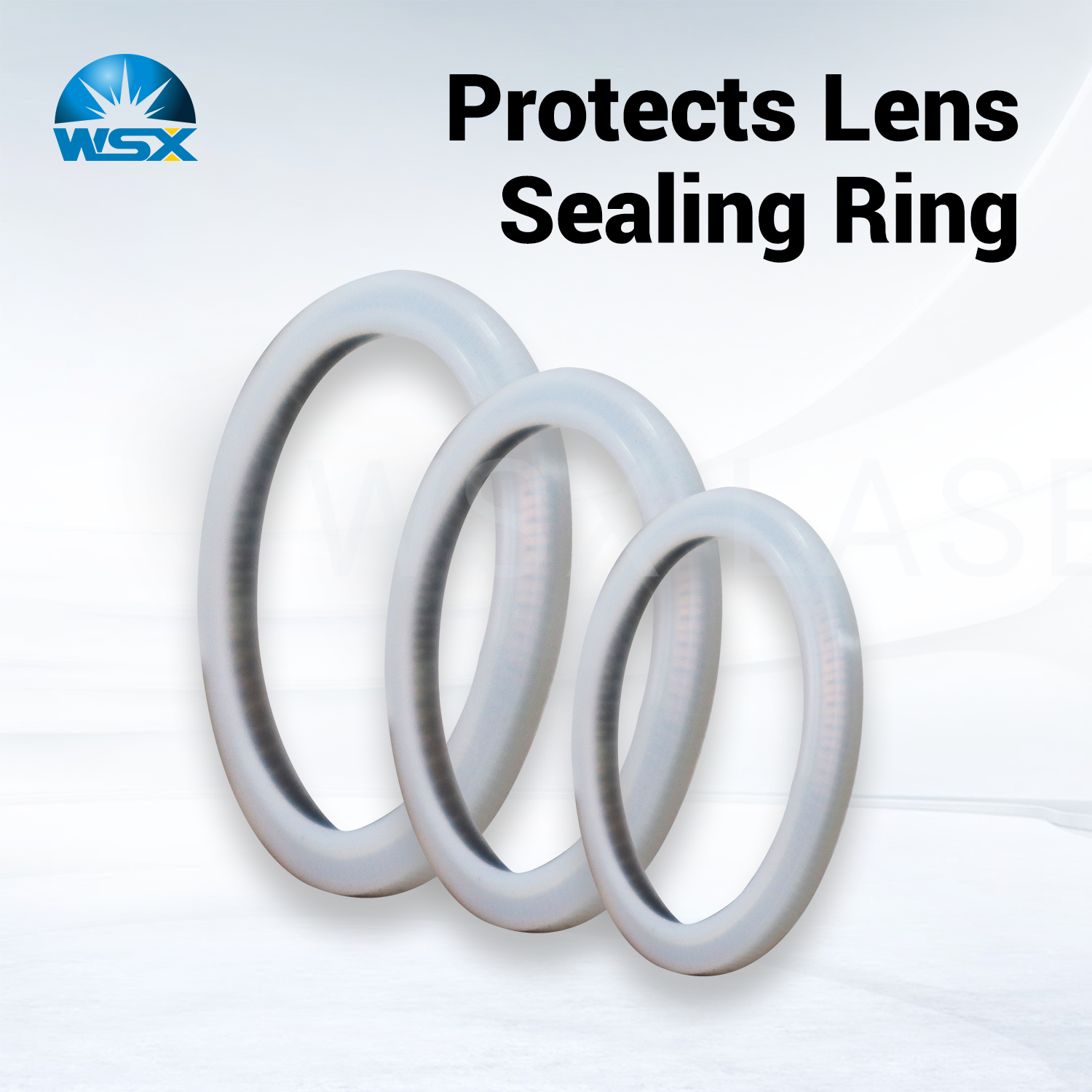
A sealing ring is a mechanical part used in laser heads to prevent the ingress of contaminants and to seal off critical internal components. Sealing rings are placed in areas where two parts of the laser assembly meet and require protection from environmental factors such as dust, moisture, and heat. These rings help to maintain the integrity of the internal laser components, keeping them clean and ensuring that the system operates at peak efficiency.
The primary function of sealing rings in laser heads is to maintain a tight seal that prevents external contaminants from entering the laser system. Contamination inside the laser head can significantly degrade performance, reduce the precision of the laser beam, and lead to premature component failure. Sealing rings also help in maintaining the internal pressure and prevent unwanted leakage of gases, ensuring consistent performance of the system.
Types of Sealing Rings in Laser Heads
Sealing rings can be made from a variety of materials, each suited to different laser applications. Common materials include PTFE (Polytetrafluoroethylene), rubber, and elastomers. Each material has its own set of advantages and disadvantages based on the specific needs of the laser head.
● PTFE Seals: Known for their chemical resistance and ability to withstand high temperatures, PTFE sealing rings are often used in high-performance lasers. They offer low friction and are highly durable.
● Rubber Seals: Rubber sealing rings are more flexible and often used in applications where flexibility is required. However, they may not offer the same level of temperature resistance as PTFE.
● Elastomeric Seals: These materials are ideal for high-pressure applications and provide a tight, reliable seal in areas with variable temperatures.
The Impact of High-Quality Sealing Rings on Laser Performance
Ensuring Stable Operation
High-quality sealing rings are essential for maintaining the stability of the laser head. When the sealing rings are of poor quality, there is a greater risk of leaks, which can compromise the entire system. Leaks can lead to fluctuations in internal pressure, resulting in inconsistent laser output, reduced power, and ultimately, unstable operation.
Good quality seals ensure that the optical components in the laser head are protected from contamination, preventing dust or moisture from affecting the focus of the laser beam. They also ensure that the laser head operates smoothly, reducing the risk of malfunction and improving the overall laser beam quality.
Long-Term Durability and Efficiency
High-quality sealing rings are not only about performance in the short term—they also contribute significantly to the long-term durability of the laser head. The seals prevent damage to internal components from the buildup of contaminants, which can cause corrosion and wear and tear. Additionally, durable sealing rings help maintain energy efficiency by preventing leaks that could otherwise lead to heat loss or inefficient cooling, both of which can significantly reduce the lifespan of a laser head.
Table: Comparison of Sealing Ring Materials for Laser Heads
Material | Temperature Resistance | Chemical Resistance | Durability | Common Uses |
PTFE | High (up to 260°C) | Excellent | High | High-performance lasers |
Rubber | Moderate (up to 120°C) | Moderate | Moderate | Budget laser systems |
Elastomers | High (up to 250°C) | Good | Very high | High-pressure systems |
This table highlights the different material options and their suitability for various laser applications. PTFE is particularly well-suited for high-performance systems due to its ability to withstand both high temperatures and chemicals, while rubber is more cost-effective but may not provide the same level of protection in extreme environments.
How Low-Quality Sealing Rings Affect Laser Head Performance
Increased Wear and Tear on Laser Components
Low-quality sealing rings can lead to rapid wear and tear on critical laser components. For example, poor-quality seals may allow dust or moisture to infiltrate the laser system. These contaminants can damage delicate optical mirrors or lenses, which are crucial for focusing the laser beam. If the optical components become scratched or clouded by contaminants, it can lead to a loss of precision in the laser output and cause the laser head to underperform.
Frequent Downtime and Maintenance
When a laser head relies on poor-quality sealing rings, frequent maintenance and repairs become necessary. These seals may degrade more quickly, leading to regular breakdowns. This not only increases operational costs but also results in downtime, impacting overall productivity. In industrial applications where precision and efficiency are key, this kind of failure can be costly and disrupt the entire operation.

The Role of Sealing Rings in Preventing Contamination in Fiber Lasers
Protecting the Internal Components of the Laser Head
Sealing rings are instrumental in preventing harmful contaminants such as dust, moisture, and corrosive gases from entering the laser assembly. These contaminants can degrade performance, cause internal corrosion, and even permanently damage sensitive parts like focusing lenses or optical fibers. High-quality sealing rings ensure that these components remain clean and protected, maintaining the integrity and effectiveness of the laser head.
Maintaining Operational Reliability
Sealing rings are designed to provide a tight seal, ensuring that the laser system operates without interruptions or contamination. This continuous protection allows for reliable operation over long periods, ensuring consistent performance even in demanding environments. Regular maintenance of these seals is key to maximizing operational uptime and preventing unexpected failures due to contamination or leakage.
Selecting the Right Sealing Rings for Laser Heads
Choosing the Appropriate Material for Your Laser Application
Selecting the correct sealing ring material is crucial for ensuring the longevity and performance of the laser system. The material should be chosen based on factors such as:
● Operating temperatures: Different materials offer varying levels of resistance to high or low temperatures.
● Chemical exposure: Some laser systems may emit gases or chemicals that require specific sealing materials that won’t degrade over time.
● Pressure: High-pressure environments demand sealing materials that can withstand increased stress and maintain integrity.
Ensuring Compatibility and Proper Sizing
In addition to material choice, ensuring proper sizing and compatibility of the sealing rings with the laser system is essential. The wrong size can lead to poor sealing performance, leaks, and contamination. Proper installation is also crucial to achieve the desired results, ensuring that the sealing rings fit tightly without damaging the surrounding components.
Maintenance Tips for Maximizing the Lifespan of Sealing Rings in Laser Heads
Regular Inspection and Cleaning
To ensure sealing rings continue to function effectively, it’s essential to inspect and clean them regularly. Dust, debris, or buildup from laser emissions can cause the seals to degrade over time. Cleaning the sealing rings and the surrounding area prevents these contaminants from compromising the integrity of the seal.
Replacement and Upgrades
Even the best-quality sealing rings will need to be replaced eventually. Regular inspections help determine when the seals are beginning to degrade, allowing you to replace them before they cause problems. Upgrading to higher-quality seals when replacing old ones can further enhance the durability and performance of the laser head, reducing the likelihood of future failures.
Conclusion
High-quality sealing rings are essential for maintaining the efficiency, durability, and performance of fiber laser systems. They protect sensitive components, reduce maintenance costs, and ensure that the laser operates at its optimal capacity. Regular inspection, cleaning, and timely replacement of sealing rings can help maintain the longevity of your laser head while ensuring consistent, reliable performance. By investing in quality sealing rings, you prevent costly downtime, improve laser system efficiency, and extend the life of your equipment.
Shenzhen Worthing Technology Co., Ltd. offers high-quality Fiber Laser Parts, Seals Ring, ensuring that your laser systems maintain optimal performance, energy efficiency, and minimal maintenance costs. Their durable, high-performance sealing rings are designed to enhance the reliability and lifespan of your laser heads.
FAQ
Q: What is the role of a high-quality sealing ring in a laser head?
A: A high-quality sealing ring in a laser head ensures stable operation, prevents contamination, and protects critical fiber laser parts.
Q: How does a sealing ring impact laser performance?
A: The sealing ring helps maintain consistent pressure, preventing leaks and ensuring a stable, reliable laser beam output in fiber laser systems.
Q: Why are high-quality sealing rings important for fiber laser heads?
A: High-quality sealing rings protect against dust and moisture, extending the lifespan of the laser head and improving efficiency in fiber laser parts.
Q: How can low-quality sealing rings affect laser head efficiency?
A: Low-quality sealing rings can cause contamination, increased wear on components, and frequent breakdowns, reducing overall performance and increasing maintenance costs.
Q: What materials are commonly used for sealing rings in laser heads?
A: Common materials include PTFE, rubber, and elastomers. Each material offers different benefits in terms of temperature resistance and durability for fiber laser parts.