Introduction
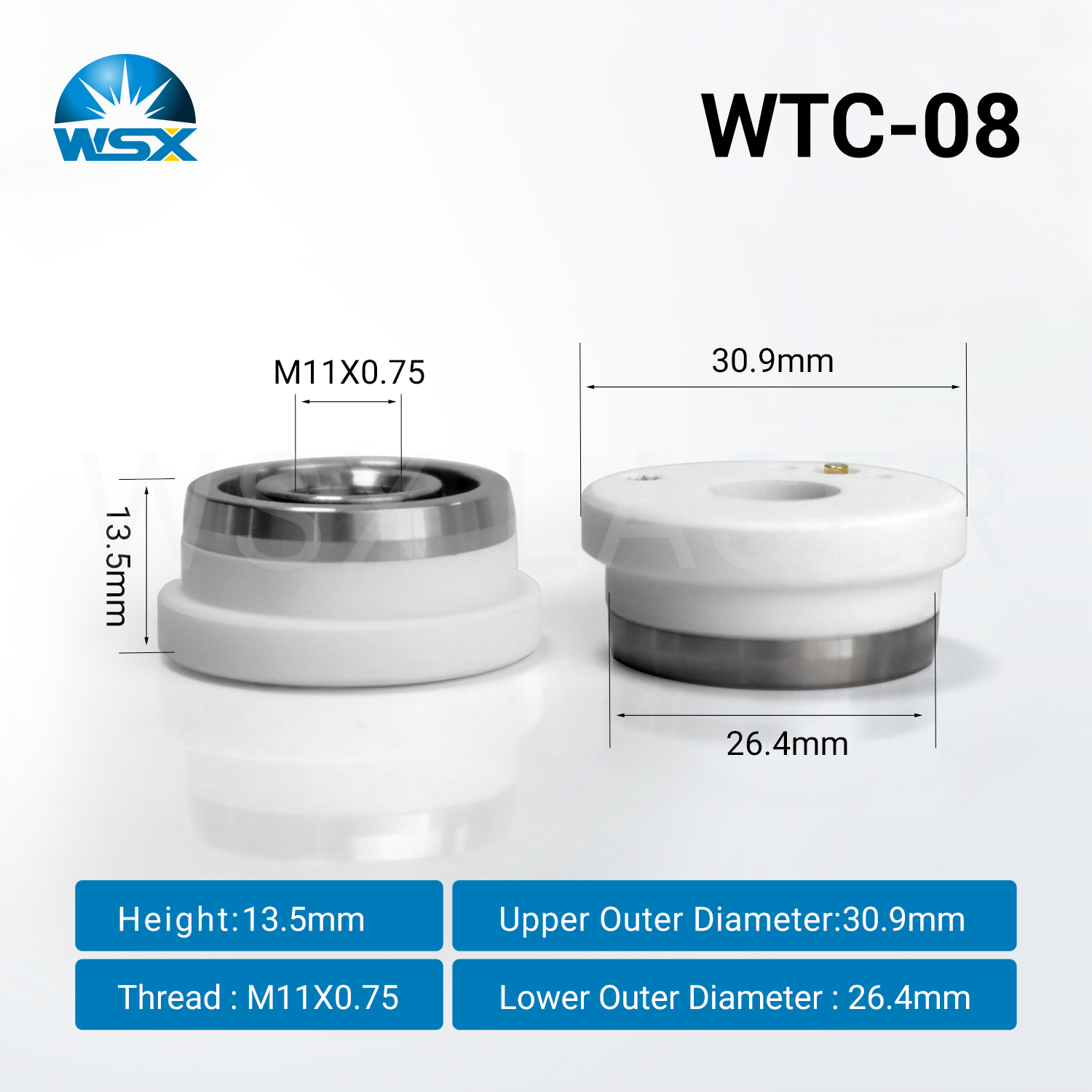
Fiber laser parts, specifically ceramic rings, are vital components of laser systems. They provide electrical insulation, heat resistance, and protection for the nozzle during operations. These ceramic rings ensure stable nozzle height control, improving cutting accuracy and protecting sensitive internal components of the laser head. Due to intense mechanical stress and high temperatures during cutting operations, their durability is crucial for the laser system's overall performance. Over time, ceramic rings wear out due to constant exposure to heat, dust, and mechanical impacts. Recognizing when to replace these parts is critical for maintaining optimal cutting performance and avoiding costly downtime. In this article, we will explore the causes of wear in fiber laser parts, specifically ceramic rings, the signs that indicate they need replacement, and best practices to extend their lifespan.
What is a Laser Ceramic Ring?
Definition and Functionality
A laser ceramic ring is a precision part of the fiber laser cutting head, designed to provide insulation and protection to the nozzle. It absorbs thermal and mechanical stresses that arise during laser cutting, helping maintain stable nozzle height control. By ensuring that the nozzle remains at the correct height, the ceramic ring ensures the laser beam maintains optimal focus, which is essential for accurate and efficient cutting.
In addition to its insulation properties, the laser ceramic ring acts as a barrier against contaminants, heat, and debris, helping protect sensitive internal components from damage. This protection is essential in preventing issues like misalignment and damage to the focusing lens.
Key Features of Laser Ceramic Rings
● Heat Resistance: The ceramic material is capable of withstanding the extreme temperatures encountered during laser cutting processes, ensuring longevity and performance.
● Hardness: The hardness of the ceramic material allows it to resist scratches, erosion, and wear from regular laser cutting operations.
● Precision: Laser ceramic rings are designed to maintain consistent nozzle height control, ensuring the laser beam remains focused for accurate cuts.
Common Causes of Wear in Laser Ceramic Rings
Thermal and Mechanical Stress
Laser ceramic rings are exposed to constant thermal cycling and mechanical stress during laser cutting. The rapid temperature fluctuations caused by the high heat of the laser beam can lead to thermal stress. Over time, these fluctuations cause the ceramic material to expand and contract, which can weaken the ring and lead to cracking or breakage. Additionally, vibrations and mechanical stress caused by the cutting process can degrade the material and cause wear.
Impact from Collisions
The laser ceramic ring is also vulnerable to physical impacts. Collisions with the workpiece or surrounding components during laser cutting can cause cracks or chips in the ceramic ring. Over time, even small impacts can weaken the ceramic material, making it more susceptible to failure. Proper alignment and careful handling of the cutting head can help minimize the risk of collisions that damage the ceramic ring.
Overloading
Excessive stress and pressure placed on the laser ceramic ring can accelerate wear. This overloading can occur due to improper settings on the laser cutting system, excessive cutting forces, or continuous heavy usage. Maintaining the correct settings and operational conditions can help prevent premature wear and extend the lifespan of the ceramic ring.
Key Causes of Wear in Laser Ceramic Rings and Solutions
Cause of Wear | Description | Solution |
Thermal Stress | Rapid temperature fluctuations causing expansion and contraction of the ceramic ring. | Ensure stable operating temperatures and minimize thermal cycling. |
Physical Impact | Collisions or physical damage from workpieces or components. | Implement precise alignment and handle the machine carefully. |
Overloading | Excessive pressure or improper operational settings accelerating wear. | Regularly inspect and maintain correct operational settings. |
Signs Your Laser Ceramic Ring Needs Replacement
Visible Cracks or Chips
One of the most obvious signs that the laser ceramic ring needs to be replaced is the presence of cracks or chips. These damages can lead to poor performance, such as unstable nozzle height detection and inconsistent cutting results. Cracked or chipped ceramic rings should be replaced immediately to prevent further damage to the laser cutting system.
Inconsistent Cutting Quality
If you notice inconsistent cutting quality or the machine is frequently triggering error alarms related to nozzle height or capacitance, it may be a sign of wear in the ceramic ring. A worn-out ceramic ring can no longer provide stable height control, which results in fluctuations in cutting accuracy.
Frequent Collisions or Nozzle Height Issues
Frequent nozzle height deviations or errors in the system may indicate degradation in the laser ceramic ring. A degraded ceramic ring will struggle to support stable nozzle height detection, leading to performance issues such as uneven cuts or incorrect nozzle positioning.

How to Check for Wear in Laser Ceramic Rings
Visual Inspection
Performing a thorough visual inspection is the first step in checking for wear on the laser ceramic ring. Look for any cracks, chips, discoloration, or surface degradation. Even small visible damages can lead to major performance issues and should be addressed immediately.
Monitoring Performance
Another effective way to detect wear in the ceramic ring is by monitoring laser performance during operation. If you notice reduced cutting precision, frequent error warnings, or the need for constant adjustments, the ceramic ring may be worn and in need of replacement.
Inspection for Deformation
Deformation or wear patterns on the surface of the ceramic ring could indicate stress or improper alignment. Regular checks for deformation will help you detect issues early, preventing further damage to the laser ceramic ring and the laser system.
When to Replace Your Laser Ceramic Ring
Replacement Guidelines
Factors Affecting Replacement Frequency
The replacement interval of a laser ceramic ring depends on several factors, including the frequency of use, material types, and operating conditions. High-volume cutting operations or systems exposed to harsher environmental conditions will typically require more frequent replacement of the ceramic ring. On the other hand, systems used for lighter operations or in controlled environments may experience slower wear, allowing the ceramic ring to last longer.
Signs It's Time to Replace the Ceramic Ring
As a general rule, replace the ceramic ring when you observe visible signs of wear, such as cracks, chips, or inconsistent cutting quality. These signs indicate that the ceramic ring can no longer function optimally, leading to potential performance issues or system failures.
Sign of Wear | What to Do |
Visible cracks or chips | Replace immediately to avoid performance degradation. |
Inconsistent cutting quality | Inspect and assess whether the ceramic ring is the cause. |
Frequent error messages | Check the ceramic ring for wear; replace if necessary. |
Timing and Frequency
High-Volume Operations
For systems used in high-volume operations or exposed to harsh conditions, regular inspections every 6-12 months are crucial. High temperatures, intense usage, and exposure to contaminants can cause the ceramic ring to wear more quickly. Frequent inspections will help identify wear early, allowing for timely replacements and avoiding downtime.
Lighter Usage
For lighter operations or environments with fewer stressors, the laser ceramic ring may last longer. However, periodic checks every 12-18 months are still recommended to ensure continued performance. Even in these cases, unexpected wear or damage can occur, making it important to stay proactive with inspections.
Best Practices for Maintaining Laser Ceramic Rings
Regular Cleaning and Inspection
Regular Cleaning and Inspection
Maintaining the performance of your laser ceramic ring requires regular cleaning and inspection. Over time, debris or contaminants can accumulate on the ceramic ring, which can lead to premature wear if not properly managed. A cleaning routine ensures that any contaminants are removed before they cause damage.
Step-by-Step Guide for Cleaning the Ceramic Ring
1. Dust Removal: Use compressed air to blow away any dust or loose particles.
2. Wipe the Surface: Clean with a lint-free cloth and isopropyl alcohol for stubborn marks.
3. Check for Cracks: Inspect for any signs of damage during the cleaning process.
4. Drying: Ensure the ceramic ring is completely dry to avoid watermarks or stains.
Proper Handling and Storage
Handling and storing laser ceramic rings correctly during installation and replacement are crucial for preventing accidental damage. Improper handling can lead to scratches or cracks, which reduce the effectiveness of the ceramic ring. Always use gloves to handle laser ceramic rings and store them in clean, dust-free environments to maintain their integrity.
Storage Guidelines
Store the ceramic rings in temperature-controlled environments to prevent thermal shock. They should be kept in dust-free containers and away from high humidity, which can accelerate wear.
Environmental Control
Maintaining an optimal operating environment is essential for protecting laser ceramic rings. Factors like temperature fluctuations and humidity can cause thermal shock or moisture-related damage, impacting the longevity and performance of the ceramic ring. Implementing proper environmental controls reduces these risks and extends the lifespan of your laser components.
Environmental Factor | Impact on Ceramic Ring | Preventative Measure |
Temperature Fluctuations | Can cause thermal stress and cracking | Maintain consistent temperature in workspace |
Humidity | Moisture can cause damage or degradation | Use dehumidifiers or climate-controlled spaces |
Conclusion
Laser ceramic rings experience wear from thermal stress, physical impact, and overloading. Regular inspection for cracks, chips, and performance degradation is essential for identifying when to replace the ceramic ring. Always use high-quality ceramic rings that are compatible with your laser system and ensure proper maintenance and handling. By monitoring for signs of wear and adhering to a regular replacement schedule, you can extend the life of your equipment, avoid costly repairs, and maintain cutting accuracy. Shenzhen Worthing Technology Co., Ltd. offers premium laser ceramic rings that provide excellent durability and performance, ensuring reliable and consistent laser cutting.
FAQ
Q: When should I replace my fiber laser parts, ceramic ring?
A: Replace your ceramic ring when visible cracks, inconsistent cutting quality, or frequent errors occur in your system.
Q: How do I identify wear in my fiber laser parts, ceramic ring?
A: Inspect your ceramic ring for cracks, chips, or surface degradation. Regular performance monitoring can also reveal wear.
Q: Why does my fiber laser parts, ceramic ring wear out?
A: Ceramic rings experience wear due to thermal stress, mechanical impacts, and overloading during laser operations.
Q: What is the lifespan of a fiber laser parts, ceramic ring?
A: The lifespan of a ceramic ring depends on usage, material types, and maintenance. Regular inspections help extend its life.
Q: Can I extend the life of my fiber laser parts, ceramic ring?
A: Yes, regular cleaning, proper handling, and monitoring can extend the life of your ceramic ring and maintain cutting accuracy.
Q: How often should I inspect the fiber laser parts, ceramic ring for wear?
A: Inspect the ceramic ring every 6-12 months, especially for high-volume operations, to ensure optimal laser system performance.