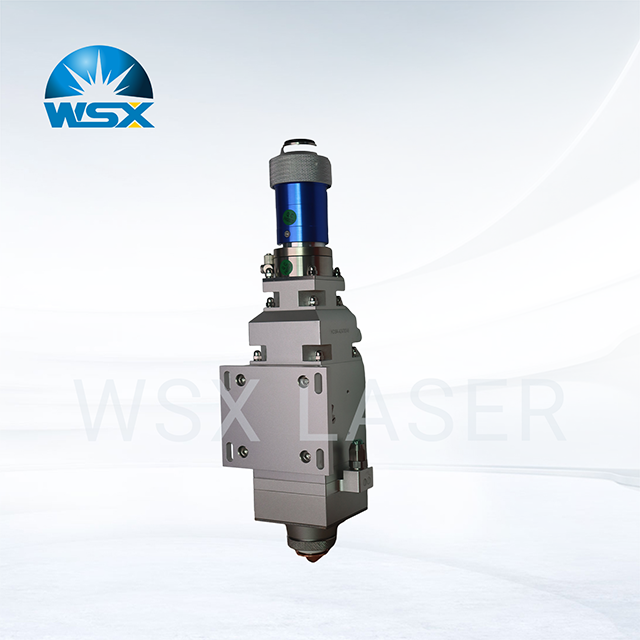
Laser cutting head reliability serves as a critical driver of overall production uptime and operational profitability. When this vital assembly functions properly, your entire manufacturing line operates at peak efficiency. Conversely, ignoring routine maintenance guarantees costly micro-stops. The cutting head remains the most vulnerable component in both fiber and CO2 laser systems. Minor degradation here directly destroys cut quality, skyrockets scrap rates, and balloons your daily consumable costs. We created this comprehensive guide to equip maintenance engineers and procurement teams with a practical, evidence-based framework. This framework targets the hidden operational issues threatening your daily throughput. You will discover proven methods to eliminate unpredictable machine behavior permanently. Read on to discover how you can accurately diagnose common failures and implement rigorous preventative protocols. You will also learn exactly how to evaluate when you should repair internal modules versus replacing the complete unit.
Key Takeaways
Optical Contamination is the #1 Culprit: Over 70% of laser cutting head failures stem from compromised protective windows or focusing lenses.
Symptoms Map to Specific Components: Cut quality defects (e.g., dross, striations) directly correlate to specific subsystem failures like nozzle misalignment or capacitive sensor drift.
Strategic Sourcing Matters: Partnering with a vetted laser heads components supplier reduces downtime risks associated with aftermarket part inconsistencies.
The Business Impact of Laser Cutting Head Inefficiencies
Stop viewing technical annoyances as minor bugs. They represent severe financial leaks. Micro-stops ruin your daily production quotas. Increased consumable burn rates destroy your monthly budget. Scrapped materials waste expensive raw stock. Gradual degradation of a Laser Cutting Head often goes completely unnoticed. Operators might adjust machine parameters slightly to compensate for poor cuts. However, this temporary fix hides impending catastrophic failures.
A thermal lens shift causes severe focal point deviation over time. If ignored, the optical assembly could shatter mid-cut. What does success look like? A healthy laser operation hits specific performance metrics. You want a highly predictable consumable lifespan. You need consistent focal stability across twelve-hour shifts. Ultimately, you demand zero collision events. We measure true profitability by maximizing uninterrupted green-light time.
Diagnosing 4 Common Laser Cutting Head Problems
1. Optical Contamination and Thermal Drift
Symptom: You will notice inconsistent cutting depths. The focal point shifts unexpectedly during operation. Sometimes, you experience sudden lens cracking.
Root Cause: Dust, spatter, or moisture penetrates the main head seal. Poor cleaning techniques often leave damaging residue on the protective window. Even microscopic dust particles absorb laser energy. This absorption creates intense localized heat. The heat warps the lens geometry and changes the focal point. We call this phenomenon thermal drift. Operators must maintain strict cleanliness standards to prevent it.
2. Capacitive Sensor and Height Control Failures
Symptom: The cutting head crashes directly into the material. Alternatively, it fluctuates wildly in standoff distance.
Root Cause: You likely have damaged ceramic rings or frayed sensor cables. Slag buildup frequently interferes with the capacitive feedback loop. The height control system relies on precise electrical capacitance. When a ceramic ring cracks, it disrupts this delicate signal. The machine loses its ability to gauge distance accurately. Consequently, the head dives into the metal plate.
3. Nozzle Misalignment and Gas Flow Irregularities
Symptom: You see directional burrs or dross on just one side of the cut. Striations appear uneven. Piercing performance drops significantly.
Root Cause: The nozzle lacks proper centering. Worn nozzle threads create internal gas turbulence within the head assembly. Assist gas must flow perfectly straight. If the nozzle sits slightly off-center, it diverts the gas stream. The diverted gas pushes molten metal sideways. This action creates heavy edge dross. Routine centering checks prevent this costly defect.
4. Cooling System Inefficiencies
Symptom: The machine triggers frequent overheating alarms. You notice a rapid deterioration of internal optical components.
Root Cause: Debris blocks the water cooling channels inside the housing. You might have incorrect coolant temperatures. Condensation forms on internal optics due to dew point mismatches. Proper thermal management extends component life. If the chiller runs too cold in a humid shop, condensation ruins the lenses. You must balance coolant temperatures against ambient shop conditions carefully.
Root Causes vs. Symptoms: A Defect Evaluation Framework
Visualizing the cut edge helps you diagnose internal issues quickly. You must learn to read the metal edge. Heavy bottom dross usually indicates the focal point sits too high. It can also mean the protective glass has severe contamination.
Below is a diagnostic chart to simplify your troubleshooting process:
Cut Quality Symptom
Likely Root Cause
Action Required
Heavy dross on one side
Nozzle misalignment
Re-center the nozzle immediately.
Consistent bottom dross
Focal position too high
Lower the focal point incrementally.
Rough, jagged striations
Gas pressure too low
Check for gas leaks or adjust pressure.
Intermittent head crashes
Capacitive sensor drift
Inspect and clean the ceramic ring.
Isolating the variable requires a logical approach. Follow this step-by-step logic to determine the exact fault location:
Inspect the material surface for rust or severe thickness variations.
Check the assist gas purity and delivery pressure at the source.
Perform a tape shot to verify nozzle centering and beam alignment.
Examine the protective window for pitting or cloudy residue.
Calibrate the capacitive height sensor on a flat metal scrap.
Fiber lasers require specific considerations compared to older CO2 systems. Fiber systems operate at a 1-micron wavelength. Highly reflective metals like copper, brass, and aluminum pose unique risks. They can reflect the beam straight back into the head. This back-reflection destroys expensive collimating lenses instantly. Modern systems utilize specialized isolators to prevent this. However, you must always monitor piercing parameters closely on reflective stock.
Preventative Maintenance Protocols for Industrial Laser Heads
Your maintenance schedule dictates your ultimate uptime. Implementing strict protocols drastically extends the lifespan of your optics. We divide these tasks into daily checks and deeper periodic reviews.
Daily Pre-Shift Checks:
Inspect the lower protective window under a bright inspection light.
Check the nozzle centering using the standard tape shot method.
Verify the capacitive calibration before running the first production program.
Ensure the nozzle tip remains free of fused slag.
Weekly and Monthly Deep Dives:
Remove and thoroughly clean the ceramic rings using isopropyl alcohol.
Inspect the water lines to confirm adequate flow rates and pressure.
Check the physical integrity of all O-rings and internal seals.
Verify the coaxial cable connections remain tight and undamaged.
You must adopt the "Clean Room" rule for all optical maintenance. Swapping optics requires extreme care. Always use clean finger cots or powder-free nitrile gloves. Employ lint-free swabs and proper optical-grade solvents. Never blow off lenses with standard shop air. Shop air contains microscopic oil droplets. These droplets will instantly ruin a high-power focusing lens. Treat the assembly bay like a laboratory to prevent introducing new contaminants.
When to Repair vs. Replace Your Laser Cutting Head
Knowing when to repair or replace components saves massive amounts of capital. You must evaluate component viability objectively. Sometimes a component can be salvaged. Other times, it requires a complete replacement.
Look closely at the collimating lens or sensor module. If a lens shows minor dust, you can clean it safely. If it displays burned-in pitting or structural cracks, discard it immediately. Never risk a cracked lens. It will eventually shatter and contaminate the entire internal housing. A compromised housing demands a complete and expensive factory rebuild.
Consider scalability and future upgrades during this evaluation phase. An older manual-focus head might work fine for thin sheets. However, automated production lines require motorized internal lens movements. Upgrading to an auto-focus unit increases your processing speed dramatically. It allows the machine to pierce thick materials much faster. If your production volume grows, replacing the entire manual assembly makes strategic sense.
How to Choose a Reliable Laser Heads Components Supplier
Your procurement strategy directly impacts machine uptime. Buying cheap aftermarket parts introduces severe operational risks. Procurement teams must establish strict evaluation criteria for any potential vendor.
Look for concrete quality indicators. A top-tier laser heads components supplier maintains ISO certifications. They operate clean-room manufacturing environments. They conduct strict quality assurance testing on every single optic. Poorly machined aftermarket parts often cause severe gas turbulence. This ruins your cut quality instantly.
Inventory depth and lead times matter tremendously. You need a supplier who maintains domestic stock of critical wear parts. Nozzles, ceramics, and protective windows must ship quickly. Supply chain delays keep your laser sitting idle. Idle machines cost thousands of dollars per hour.
Technical support separates great vendors from average part pushers. Your supplier must offer diagnostic support and application engineering. Physical components only solve half the problem. Expert advice helps you optimize your cutting parameters. They should guide you through complex troubleshooting scenarios over the phone.
We encourage buyers to take action today. Audit your current consumable spend immediately. Request sample testing from a highly qualified vendor. Compare their performance against your current baseline.
Conclusion
Preventing unexpected laser downtime requires a calculated approach. It blends rigorous maintenance protocols with high-quality component sourcing. You cannot ignore daily inspections and expect flawless results. Every dirty lens or chipped ceramic ring slowly degrades your cut edge.
Proactive management of the cutting assembly remains your best strategy. It represents the most direct route to protecting overall profitability. Protect this core component, and your machine will perform reliably.
Do not wait for a catastrophic failure. Download a comprehensive preventative maintenance checklist today. Contact an experienced application engineer for a complete system audit. Alternatively, browse the catalog of a trusted supplier to upgrade your critical wear parts.
FAQ
Q: How often should I replace the protective window on my laser cutting head?
A: Replacement frequency depends entirely on your usage and material type. Piercing thick mild steel generates more spatter than cutting thin stainless steel. You should inspect the window daily using a bright light. Replace the window at the first sign of pitting or permanent smudging. Do not adhere to a strict calendar date. Visual inspection dictates the replacement schedule.
Q: Why does my laser cutting head keep crashing into the metal sheet?
A: This problem points directly to the height control system. First, check the ceramic ring for microscopic cracks. Cracks disrupt the capacitive feedback loop. Next, ensure the copper nozzle sits tightly within the housing. Finally, verify the coaxial cable connection remains secure. A loose or frayed cable prevents the sensor from reading the standoff distance correctly.
Q: Can I use aftermarket components in an OEM laser cutting head?
A: Yes, you can use aftermarket parts, but you must exercise extreme caution. You must source parts from a thoroughly vetted supplier to ensure precise manufacturing tolerances. Poorly machined aftermarket nozzles or lenses often cause gas turbulence. They can also trigger severe optical misalignment. Quality control matters more than initial cost savings.
Q: What is the difference between manual focus and auto-focus laser heads?
A: Manual focus heads require physical adjustment via an external dial. They work best for single-material production runs where thickness rarely changes. Auto-focus laser heads utilize motorized internal lens movements. The CNC controller adjusts the focal depth automatically based on the program. Auto-focus is essential for automated operations cutting varying material thicknesses throughout the day.